Homeowner Guide
Signs of Foundation Problems: What to Look For
Free inspections · Mon–Sat, 7am–7pm
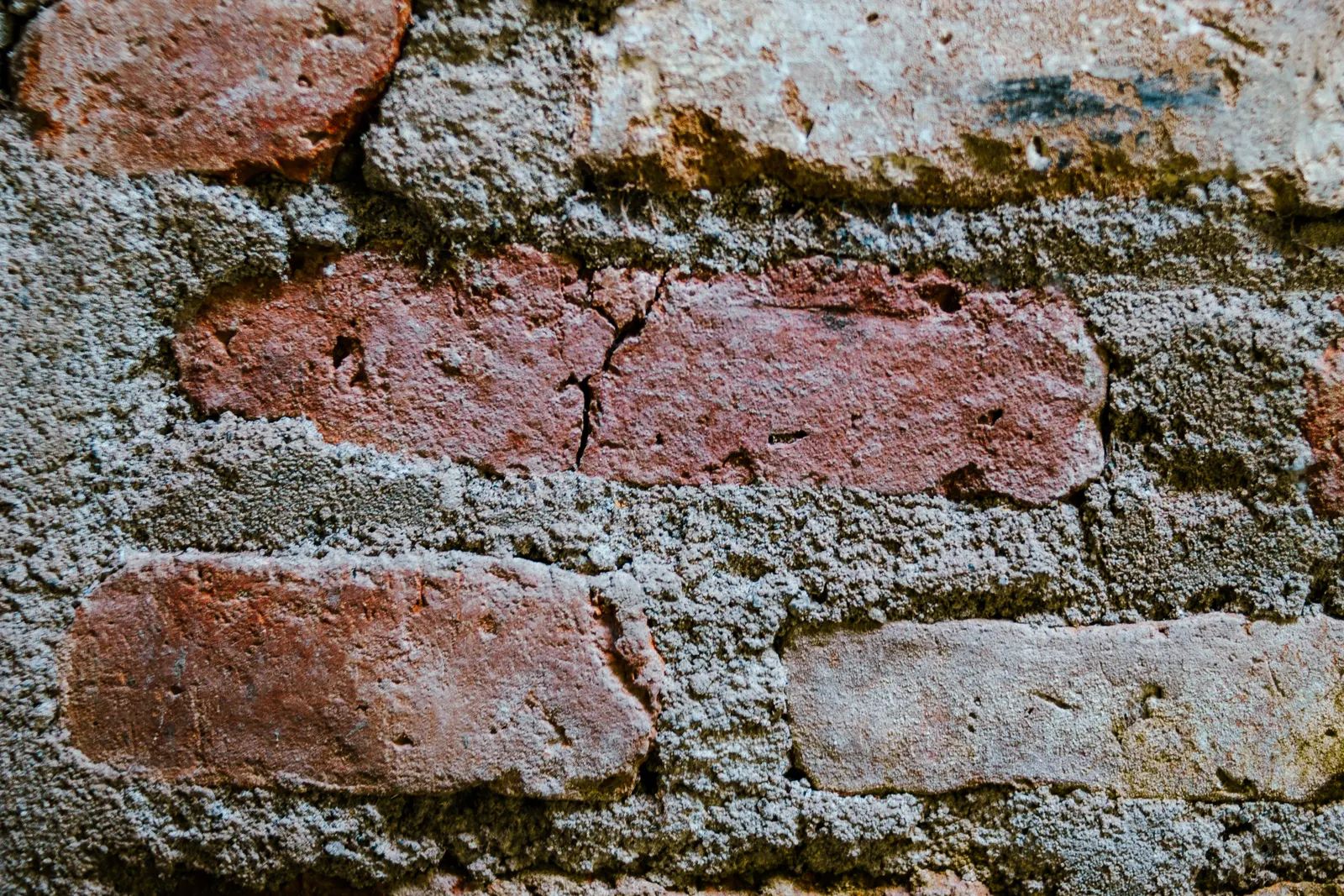
Most homes in Middle Tennessee have a few cracks somewhere. The real question is whether those cracks are just normal aging or a sign that your foundation is moving. This guide walks through the warning signs we see most often in Murfreesboro and Rutherford County homes, how to tell the difference between cosmetic and structural damage, and what to do next.
Why Middle Tennessee Foundations Move
Rutherford County sits on limestone covered with clay soil. Clay swells when it's wet and shrinks when it's dry, so a rainy spring followed by a hot, dry August pushes and then drops the ground under your house. Add gutters that dump water at the foundation, yards that slope toward the house, and humid crawl spaces, and you get the slow movement behind most foundation problems here.
Outside the House: 5 Signs to Check
1. Stair-step cracks in brick or block
Cracks that zig-zag along the mortar joints, like a staircase, are one of the clearest signs of settlement. Look closely near the corners of the house and under windows.
2. Cracks in the foundation wall or slab edge
Thin vertical cracks are common and usually cosmetic. Horizontal cracks, cracks wider than about 1/4 inch, and cracks where one side sits higher than the other are more serious.
3. Gaps around windows, doors or the garage door
Brick pulling away from window frames, or a garage door that no longer meets the slab evenly, can point to one part of the house settling.
4. A leaning chimney or porch
A chimney tilting away from the house, or a porch or stoop separating from the foundation, usually sits on its own footing that's moving differently from the house.
5. Water pooling near the foundation
Not damage in itself, but a major cause. Watch where water goes during a heavy rain. If it sits against the house, the soil there stays soft.
Inside the House: 5 Signs to Check
1. Doors and windows that stick or won't latch
When a frame twists out of square, doors start to rub, swing open on their own, or stop latching. A wedge-shaped gap at the top of a closed door is a classic sign.
2. Diagonal drywall cracks
Cracks running at an angle from the corners of doors and windows, especially ones that come back after you patch them, suggest the framing is moving.
3. Sloping or uneven floors
Set a marble or a level on the floor. A noticeable slope toward one wall or corner can mean a settling slab, or failing supports under a pier-and-beam floor.
4. Gaps at baseboards, ceilings or cabinets
Trim pulling away from the floor, cracks where the wall meets the ceiling, or kitchen cabinets separating from the wall are all worth noting.
5. Bouncy floors and musty smells (crawl space homes)
If your home sits over a crawl space, soft or springy floors and a damp, musty odor point to moisture and weakened joists underneath.
Cosmetic or Structural? A Quick Guide
| Usually cosmetic | Worth a professional look |
|---|---|
| Thin vertical cracks under ~1/8" | Cracks wider than ~1/4" |
| Cracks that don't change over months | Cracks that grow or reopen after patching |
| Single small crack, nothing else | Cracks plus sticking doors or sloping floors |
| Shrinkage cracks in a garage slab | Horizontal cracks in block or poured walls |
| Even width end to end | Wider at one end, or one side offset |
| Stair-step cracks in brick or block |
One sign by itself is rarely cause for alarm. Several signs together, especially on the same side of the house, usually point to real movement.
How to Monitor a Crack Yourself
- Mark the ends of the crack with a pencil and write the date beside it.
- Take a photo with a coin or tape measure next to it for scale.
- Check again every month or two, especially after big seasonal changes.
- Note other signs, such as doors, floors and trim in the same area.
If the crack grows past your marks or new signs appear, it's time to have it inspected.
What to Do Next
- Fix the easy water problems now. Clean the gutters, add downspout extensions that discharge several feet from the house, and make sure the soil slopes away from the foundation.
- Don't just patch and paint. Covering a crack hides the evidence an inspector needs, and it won't stop movement.
- Get a professional opinion. A good inspection tells you whether you're looking at a cosmetic issue, a drainage problem or real settlement, and what it would take to fix it.
Free Foundation Inspections in Murfreesboro
If you're seeing any of these signs, Murfreesboro Foundation Repair Pros will inspect your home for free. We'll explain what's happening in plain English and give you a written plan and price if a repair is needed. If it isn't, we'll tell you that too.
Call (615) 908-9400, Monday through Saturday from 7am to 7pm.
Get Your Free Foundation Inspection
Call Murfreesboro Foundation Repair Pros, Monday to Saturday, 7am to 7pm.